
bpc 157
Molecular science driving next-generation tissue recovery
Introduction
history of bpc 157
what is BPC 157
how does bpc 157 work
how is bpc 157 used
concidertions
summary
the final Boss
introduction
BPC 157 (Body Protection Compound 157 a.k.a Pentadecapeptide) is a synthetic peptide modeled after a protective compound naturally found in human gastric juice. It has attracted growing interest in health, fitness, and recovery communities because early research suggests it may support tissue repair, gut integrity, and recovery from physical stress (Sikiric et al., 2010). Most of what we know about bpc 157 comes from animal studies, not large human trials, and it is not approved for medical use. Understanding what the science actually shows—and what it does not—is essential for anyone exploring BPC 157 from a health-focused, responsible perspective.
history of bpc 157
From the gut to the lab
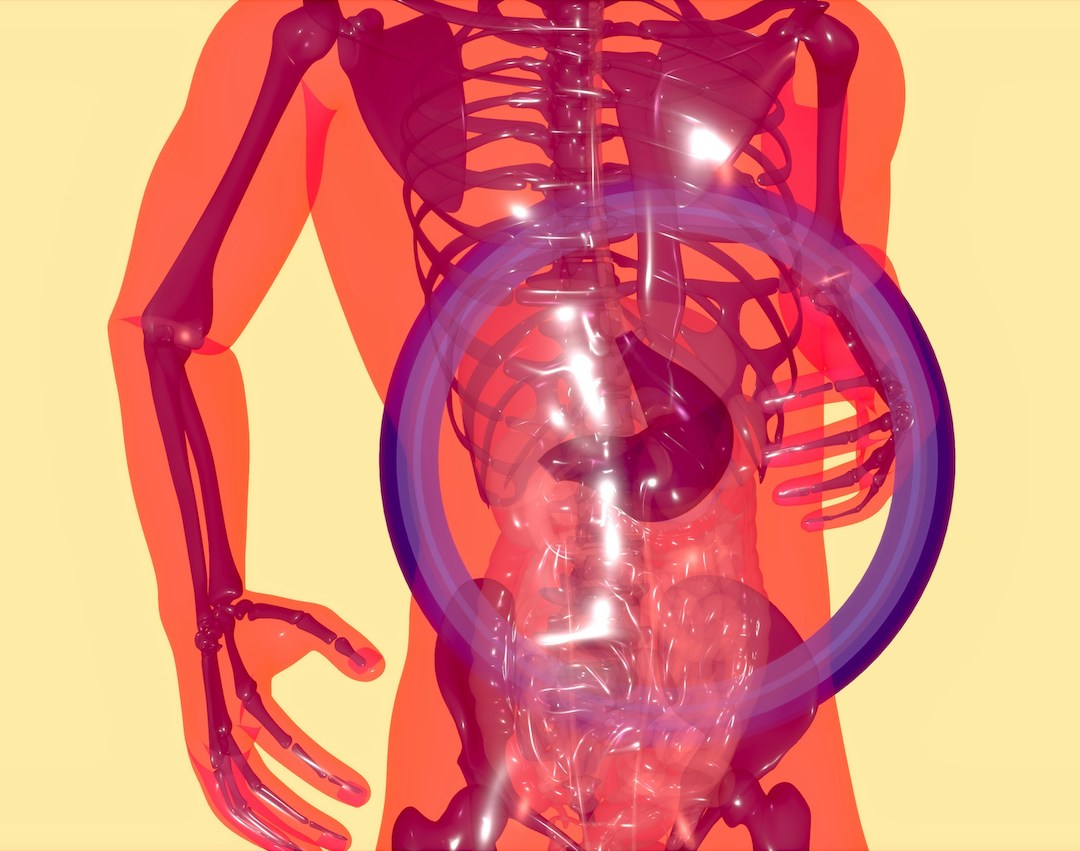
The story of BPC 157 begins not in gyms or performance labs, but in gastrointestinal research. Scientists studying how the stomach protects itself from damage noticed that certain naturally occurring proteins played a critical role in repairing and maintaining the gut lining. From this research, a small peptide fragment was isolated and later named Body Protection Compound 157 (Tkalcevic et al., 2007).
healing more than the gut?
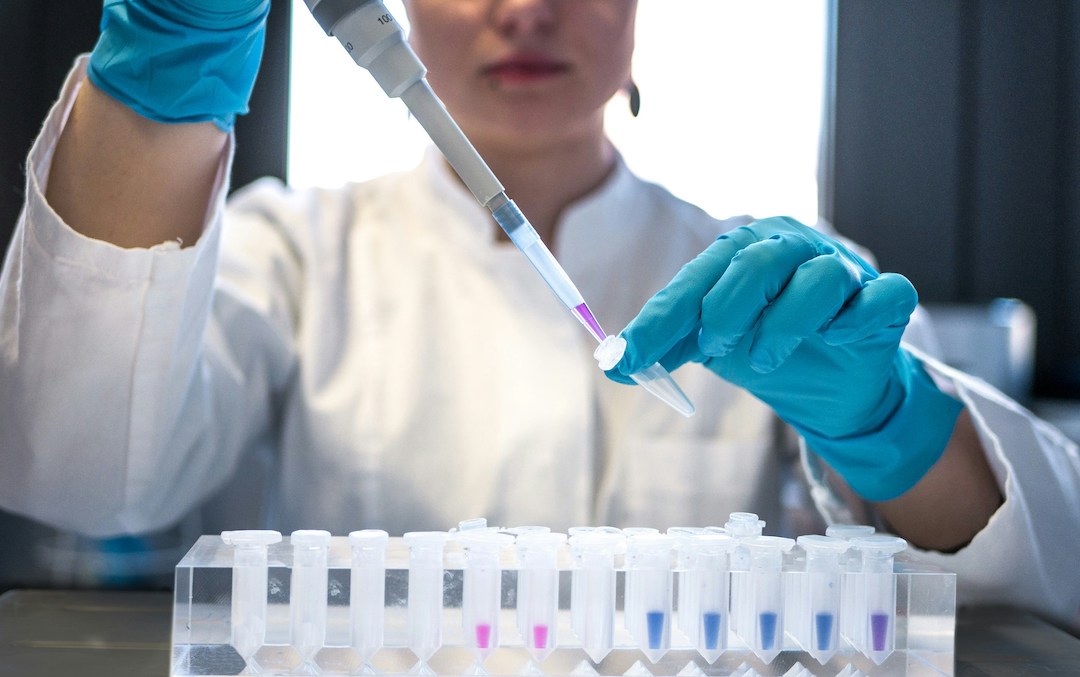
Early experiments focused on stomach ulcers and intestinal injury. In animal models, bpc 157 appeared to help protect gastric tissue and speed healing when the lining was damaged by stress, chemicals, or physical injury (Sikiric et al., 2010). These findings raised an important question: if this compound helps repair tissue in the gut, could it influence healing elsewhere in the body?
animal Testing for healing in other kinds of tissue
As research continued, scientists began testing BPC 157 in other injury models, including muscles, tendons, ligaments, nerves, and blood vessels. In rodents, results suggested improved healing outcomes in a variety of tissues, especially those known to recover slowly, such as connective tissue (Sikiric et al., 2018).

the word got out
Over time, these findings moved beyond academic journals and into broader health and performance conversations. Athletes, coaches, and health enthusiasts began exploring BPC 157 as a potential recovery-support compound, particularly in relation to injury management and training consistency. Online forums, podcasts, and social media accelerated awareness, often highlighting promising animal research while downplaying its limitations. As a result, interest in BPC 157 expanded much faster than formal human clinical research. Despite growing popularity, controlled human studies remain limited, and most available evidence still comes from preclinical models. This gap between scientific investigation and public enthusiasm makes careful interpretation and informed decision-making especially important when evaluating BPC 157 in a health or performance context.

What is BPC 157
At its core, BPC 157 is a peptide, meaning it is a short chain of amino acids that functions as a signaling molecule in the body. Peptides help cells communicate with one another, guiding how tissues respond to physical stress, inflammation, and recovery demands. Rather than building tissue directly, peptides influence processes—such as blood flow regulation, cellular repair signaling, and coordination of healing responses—that allow the body to adapt and recover.
BPC 157 is modeled after a compound naturally present in human gastric juice, where it appears to support the integrity of the stomach lining and protect tissue under stressful conditions (Sikiric et al., 2010). Because gut health plays a central role in nutrient absorption, immune balance, and systemic inflammation, this digestive connection is often emphasized when BPC 157 is discussed in broader health contexts.
Chemically and biologically, however, BPC 157 is not a hormone, a steroid, or a growth factor. It does not directly stimulate muscle growth, alter testosterone levels, or force tissue to regenerate. It is also not a drug in the conventional sense, nor a nutrient the body uses as fuel or raw material. Instead, it is a signaling peptide studied for how it may influence existing repair pathways. Understanding these distinctions helps prevent unrealistic expectations and keeps the conversation grounded in biology rather than hype.
HOW DOES BPC 157 WORK
blood vessel formation
BPC 157 has been shown to promote the growth of new blood vessels in injured tissue, improving oxygen and nutrient delivery (Seiwerth et al., 2014).
Connective tissue repair
Tendons and ligaments heal slowly because of limited blood supply. Studies show improved structural healing and tissue organization when BPC 157 is present, including enhanced tendon-to-bone repair (Krivic et al., 2006; Sikiric et al., 2018).
Nitric oxide signaling
Studies suggest it may help regulate nitric oxide, a molecule involved in blood flow, inflammation, and cellular communication (Sikiric et al., 2010).
Inflammation balance
Rather than simply suppressing inflammation, BPC 157 may help modulate inflammatory responses, allowing the healing process to proceed in a more coordinated and efficient way.
Gut barrier support
Research consistently shows protective effects on the intestinal lining, which may support digestion, nutrient absorption, and overall systemic resilience (Tkalcevic et al., 2007).
how is Bpc 157 used
Subcutaneous Administration through injections
In research and experimental settings, subcutaneous administration is the most commonly mentioned method. This simply means the compound is introduced into the fatty layer just beneath the skin, where it can be slowly absorbed into the bloodstream.
Animal studies using this approach suggest broader, whole-body effects, particularly related to connective tissue health, blood vessel repair, and how the body manages inflammation (Sikiric et al., 2018). Because this route avoids the digestive system, it is often discussed in research models focused on muscles, tendons, and overall recovery rather than gut-related effects.
Oral and GI Exposure
One unusual feature of BPC 157 is that it remains stable in the harsh, acidic environment of the stomach. Most peptides break down quickly when exposed to gastric acid, but BPC 157 has been shown to remain intact, which is why it was originally studied in digestive research (Sikiric et al., 2010). This stability allows it to interact directly with the stomach and intestinal lining in animal models.
In preclinical studies, oral exposure to BPC 157 has been linked to several gut-related effects, including protection of the stomach lining, support for the intestinal barrier, and reduced tissue damage caused by inflammatory stress (Tkalcevic et al., 2007). Because gut health plays a key role in digestion, nutrient absorption, and overall inflammation levels, this has made oral discussions of BPC 157 especially relevant in health circles. However, it is important to note that evidence in humans is still limited, and these findings come primarily from animal research.
Topical Application with creams or serums
Topical use of BPC 157 is sometimes discussed for localized concerns involving the skin, surface-level tendons, or joints. In health and recovery conversations, this route is also occasionally mentioned in relation to skin quality and hair regrowth, based on the idea that localized signaling near the application site could influence tissue health. The underlying theory is that topical exposure may act locally rather than circulating throughout the entire body.
However, from a scientific perspective, peptides generally have limited ability to penetrate the skin barrier. The outer layer of the skin is designed to block large molecules, which makes meaningful absorption unlikely without specialized delivery systems (Bos & Meinardi, 2000). At present, there is no strong clinical evidence showing that topical BPC 157 reliably affects tissue repair or hair regrowth. Any reported benefits remain anecdotal and should be taken with a grain of salt, especially when separating curiosity from proven, reviewed and published results.
Nasal Spray
a.k.a
Intranasal
Intranasal use of BPC 157 is sometimes discussed because the nasal cavity sits close to the brain and central nervous system. Certain substances delivered through the nose can, in theory, reach the brain more directly than those taken by mouth, which is why intranasal delivery has been explored in neurological research (Illum, 2000).
Because of this pathway, intranasal BPC 157 is occasionally mentioned in conversations related to nervous system signaling, inflammation control, and stress regulation. Some discussions also reference broader neurological conditions such as dementia, Parkinson’s disease, and Alzheimer’s disease, where inflammation, blood flow, and nerve health play important roles.
However, it is important to be clear: there is no strong clinical evidence showing that intranasal BPC 157 has proven benefits for brain health or neurodegenerative conditions. These ideas remain theoretical, and most supporting data comes from general nose-to-brain delivery research rather than direct studies on BPC 157 itself.
Nebulized or Inhaled Forms
Nebulized or inhaled use of BPC 157 is sometimes mentioned because the lungs offer a very large surface area for absorption. In theory, inhaled substances can interact directly with lung tissue, which is why this route is occasionally discussed in relation to smoke-damaged lungs or inflammation caused by respiratory infections.
However, the lungs are also extremely sensitive organs. Introducing peptides through inhalation carries unique risks, and even small irritations can have significant effects on breathing and lung function. At this time, there is no reliable scientific research showing that inhaled BPC 157 is safe, effective, or appropriate for treating lung inflammation or damage. There are also no established dosing guidelines.
Most research on inhaled therapies emphasizes the need for rigorous safety testing due to the lungs’ vulnerability (Patton & Byron, 2007). From a health and risk-management perspective, nebulized use of BPC 157 remains highly experimental and should be approached with caution.
eye drops
Eye-drop use of BPC 157 has been explored in animal studies focused on eye injuries. In these experiments, applying BPC 157 directly to the eye showed protective effects on the cornea, the clear outer surface that plays a key role in vision (Sikiric et al., 2010). Because the cornea is easily damaged by trauma, dryness, or infections, researchers are interested in compounds that may help support healing and reduce tissue stress.
These findings have led to occasional discussion of BPC 157 in relation to eye health and recovery from surface-level eye injuries. However, it is important to keep expectations realistic. This type of use has only been studied in animals, not in controlled human trials. There is currently no clinical evidence confirming safety, effectiveness, or proper dosing of BPC 157 for eye conditions in people. As with other experimental uses, this area remains firmly within preclinical research.
Conciderations
Lack of Human Trials
The most significant limitation is the absence of large, high-quality human studies. Without this data, we do not fully understand:
-
Long-term safety
-
Appropriate dosing
-
Interactions with medications
-
Effects in people with chronic health conditions.
Quality Concerns
Compounds produced outside regulated pharmaceutical systems may lack consistent quality. Variations in purity, concentration, or contamination are possible. Using unverified sources introduces additional health risks, emphasizing the importance of cautious evaluation and prioritizing safety over anecdotal claims.
Information Sources
Not all claims are equal. Evaluate scientific studies, preclinical evidence, and expert consensus separately from marketing, anecdotal reports or youtube. Critical thinking and careful source assessment help you distinguish meaningful findings from hype or misleading information. Incuding what you have read here.
Regulatory Status
BPC 157 is not approved for medical use by regional or national regulatory authorities. It is not authorized for public or private medical treatment, human supplements, or competitive sports use, and remains limited to research and animal contexts, without confirmed safety or effectiveness in humans.
Recovery Foundations
Before considering experimental compounds, check whether your core recovery practices are in place. Sleep, balanced nutrition, basic supplementation, proper hydration, and effective stress management form the foundation of health. Optimizing these basics often provides greater and safer benefits than shortcuts or untested interventions.
Recovery Foundations
Informed decision-making requires understanding both potential benefits and risks. Reflect on your health goals, safety priorities, and the reliability of available evidence. Taking responsibility for choices means balancing curiosity with caution and acting in a way that protects long-term well-being.
Risk vs Reward
Every experimental compound carries uncertainty. Ask yourself how much risk you are willing to accept for a possible benefit. Understanding the limits of current research and the unknowns around safety, dosage, and long-term effects is key before experimenting with any novel substance.
Short-Term Fixes
Consider whether you are seeking quick recovery or building long-term resilience. Short-term approaches may offer immediate benefits, but lasting adaptation and durable health come from consistent practices, measured progress, and reliable strategies rather than experimental shortcuts.
Be very Cautious
Pregnant or breastfeeding individuals, people with chronic illnesses, and anyone taking prescription medications face higher risks with experimental compounds. In these situations, the potential for adverse effects or interactions is greater, so caution and professional guidance are strongly recommended if anyone choses to go down this route.
Summary
BPC 157 has gained attention because it connects several areas people care about—gut health, injury recovery, and the body’s ability to heal under stress. It is based on a small peptide naturally found in human gastric juice and has been studied mainly in animal and laboratory research. In these studies, BPC 157 has been linked to processes like supporting blood flow to injured tissue, helping the body manage inflammation, strengthening connective tissue, and protecting the gut lining.
It is important to understand what BPC 157 is—and what it is not. It is not a steroid, hormone, muscle-building drug, or miracle recovery solution. It does not force the body to heal or grow tissue. Instead, it appears to influence how the body’s existing repair systems communicate and coordinate. This means expectations should remain realistic, especially since most evidence comes from preclinical research rather than human trials.
Public interest in BPC 157 has grown much faster than scientific confirmation. While researchers have explored different ways it might be used, including injections, oral exposure, topical products, nasal sprays, inhalation, and eye drops, many of these approaches remain experimental. Some have stronger research support than others, but none have been fully proven safe or effective in humans. BPC 157 is not approved for medical use, supplements, or competitive sports.
the Final boss
References
LITERATURE
Bos, J. D., & Meinardi, M. M. H. M. (2000). The 500 Dalton rule for the skin penetration of chemical compounds and drugs. Experimental Dermatology, 9(3), 165–169.
Krivic, A., et al. (2006). Pentadecapeptide BPC 157 promotes tendon-to-bone healing and targets angiogenesis. Journal of Orthopaedic Research, 24(5), 982–989.
Illum, L. (2000). Transport of drugs from the nasal cavity to the central nervous system. European Journal of Pharmaceutical Sciences, 11(1), 1–18.
Patton, J. S., & Byron, P. R. (2007). Inhaling medicines: Delivering drugs to the body through the lungs. Nature Reviews Drug Discovery, 6(1), 67–74.
Seiwerth, S., Rucman, R., Turkovic, B., et al. (2014). BPC 157 and angiogenesis in healing. Journal of Physiology and Pharmacology, 65(2), 271–279.
Sikiric, P., Rucman, R., Turkovic, B., et al. (2010). Stable gastric pentadecapeptide BPC 157: Novel therapy in gastrointestinal and tissue healing. Current Pharmaceutical Design, 16(10), 1224–1235.
Sikiric, P., Seiwerth, S., Rucman, R., et al. (2018). Tendon, ligament, and muscle healing effects of BPC 157. Biomedicines, 6(2), 1–19.
Tkalcevic, V. I., Cuzi, S., Brajsa, K., et al. (2007). Gastric pentadecapeptide BPC 157 protects intestinal mucosa. Digestive Diseases and Sciences, 52(5), 1253–1261.
PODCAST
BPC-157: The GOAT peptide — A comprehensive use guide. (2021). [Audio podcast episode]. Apple Podcasts. https://podcasts.apple.com/mt/podcast/bpc-157-the-goat-peptide-a-comprehensive-use-guide/id1507206759?i=1000643516890
Heal like Wolverine: BPC-157 with Dr. William Seeds. (2021). [Audio podcast episode]. Apple Podcasts. https://podcasts.apple.com/us/podcast/2125-heal-like-wolverine-bpc-157-with-dr-william-seeds/id954100822?i=1000622083215
VIDEO
Thomas DeLauer (2024). The best legal performance enhancers & why I'm taking the… [Video]. YouTube. https://youtu.be/12b9XkCzhb0
Chancellor Harn, ND, MS (2025). BPC-157 explained: Can this peptide really heal the body? [Video]. YouTube. https://youtu.be/hty1TRAjCkk
VigorousSteve (2024). Best Dose Of BPC-157 For Injury Healing & Prevention? (Wolverine Healing Factor) Cancer & Anhedonia? [Video]. YouTube. https://youtu.be/5ryRhSJcjKA
QUINN STILLSON MD (2025). BPC-157: Everything You Need to Know—Benefits, Risks, Dosing, & Delivery Methods [Video]. YouTube. https://youtu.be/JNEOEFAychA
TPC (2025). 16,000 People & 10 Years of BPC-157 Case Studies (SEMINAR) [Video]. YouTube. https://youtu.be/gu_5CqqhOP0
sign up
GET REMINDED
HASSLE FREE
We don’t lock information behind paywalls, special access, or exclusive discount codes. Everything we share is accessible to everyone, always.
If you choose to leave your email, it’s simply so we can send you a friendly reminder when something new is added—fresh articles, new knowledge in the portal, or new shop arrivals. No pressure, no spam, no tricks.
Join the community to stay in the loop, not in a funnel.